Legal Insights

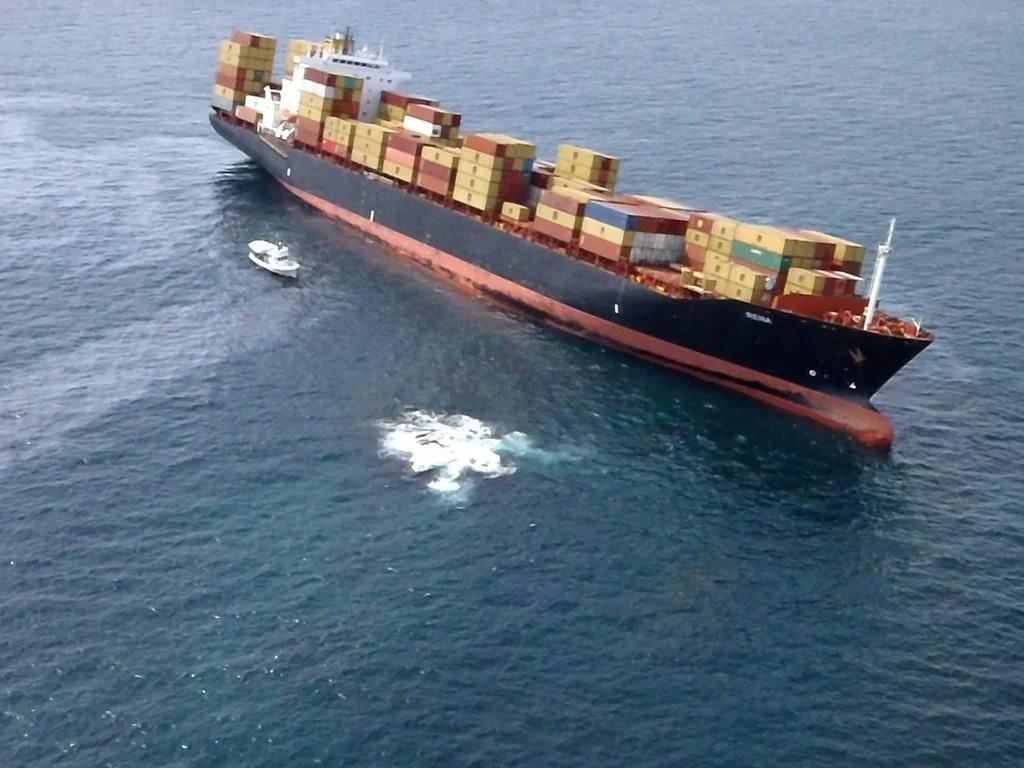
YOU SAVED ON CARGO INSURANCE… NOW YOUR PROFIT IS SWIMMING IN THE INDIAN OCEAN! 🚢😂
A practical reader. A short comment. A very important business lesson.
Expert commentary on Tanzanian law affecting foreign investors, maritime operators, and international businesses.
Latest Briefings
A practical reader. A short comment. A very important business lesson.
A legal, economic and investment perspective on the proposed Oryx Energies–Amsons Group acquisition and what it could mean for Tanzania and the wider East African trade corridor.
A successful acquisition is therefore not simply about negotiating the lowest purchase price. It is about acquiring a business whose value can be protected and increased after completion.
Tanzania’s proposed US$42 billion LNG project offers an exciting prospect for investment, jobs, exports and national development. As negotiations move towards final agreements, the private sector should be asking: Are we ready to participate? The potential opportunities extend beyond energy companies—to construction, transport, maritime services, catering, cleaning, accommodation and professional services. Capturing those opportunities will require capable businesses, access to finance, trusted partnerships and sound contracts. Tanzania must also prepare its workforce, infrastructure and institutions so that investment creates lasting local value. At ARIK Law Attorneys, we help investors and businesses navigate business establishment, commercial partnerships, contracts and legal risks. 📖 Read my article below for the numbers, economic implications and practical steps businesses should consider. Where do you see the biggest opportunity for Tanzanian businesses? 🌐 www.ariklaw.co.tz 📩 godluckwalter@hotmail.com; Chief Government Spokesperson / Msemaji Mkuu wa Serikali Tanzania Investment and Special Economic Zones Authority ( TISEZA) Ministry of Foreign Affairs and East African Coorperation Samia Suluhu Hassan Tume ya Madini The Ministry of Minerals - Tanzania #TanzaniaLNG #TanzaniaInvestment #LocalContent #PrivateSector #MaritimeLaw #ARIKLawAttorneys
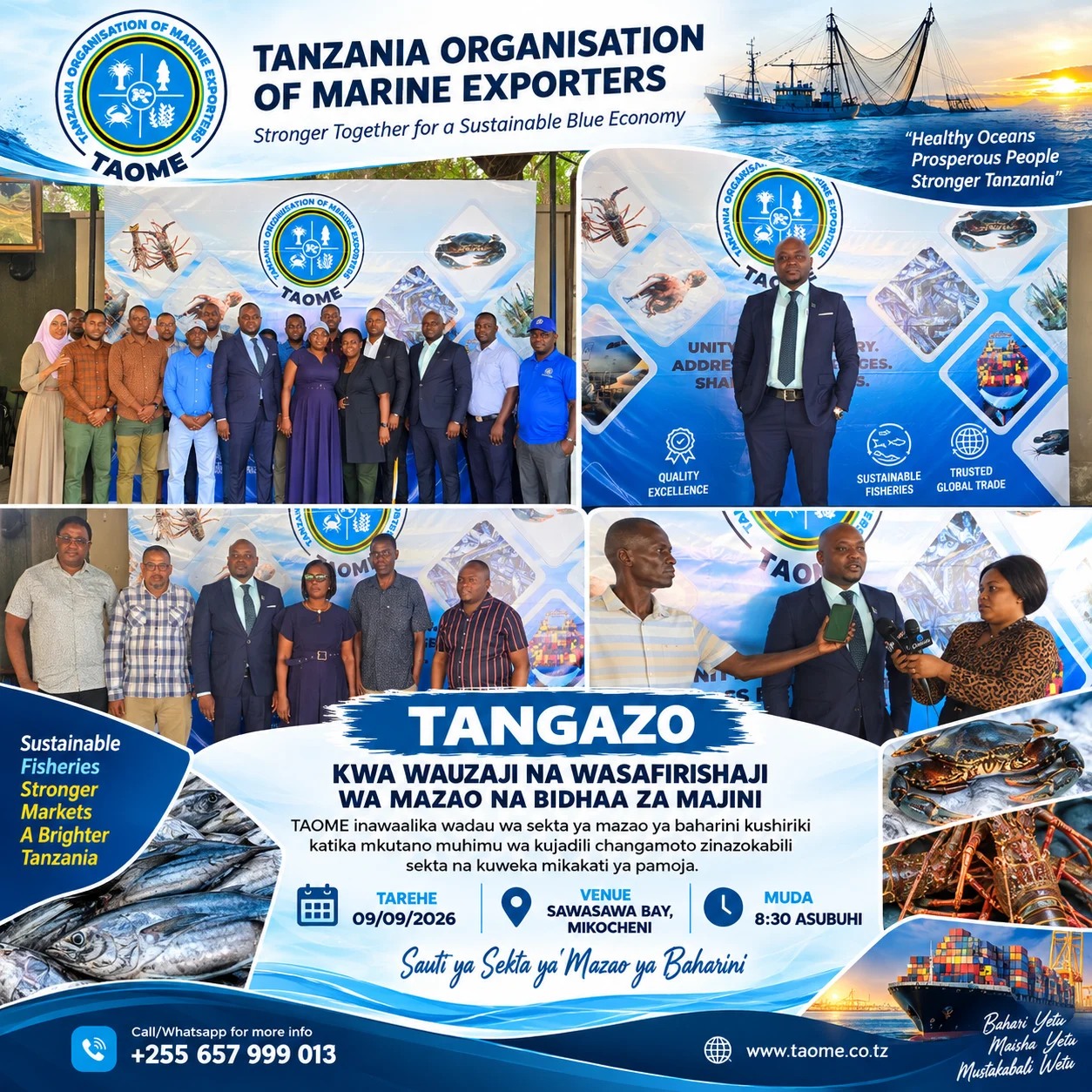
🐙 An octopus may cross the ocean without a passport—but international trade cannot survive without proper documentation, fair regulation and effective border control! From unused processing capacity and informal cross-border trade to repeated inspections, penalties and export-registration delays, one lesson was clear: Tanzania does not need less regulation. It needs better regulation—one that protects marine resources without sinking legitimate businesses.
Tanzania’s blue economy offers enormous possibilities in shipping, ports, fisheries, aquaculture, tourism, logistics and maritime investment. But before setting sail, every serious investor needs a reliable compass: clear regulations, proper due diligence, strong contracts and effective risk protection.
Yesterday, I had the privilege of attending a public lecture delivered by Dr. Cong Sui at the Julius Nyerere International Convention Centre (JNICC) on a subject at the heart of international trade and maritime investment: Ship Finance.
An invitation I recently received from the Swiss Arbitration Association (ASA) posed a fascinating question: what happens behind the curtain within an arbitral tribunal?
Tanzania's greatest economic opportunity may not be beneath its soil—but beyond its shores. Here's why the Blue Economy could become the country's next engine of growth.
Africa’s economic future will not only be built in factories, financial centres, or conference rooms — it will be shaped at our ports, along our trade corridors, and through the systems that move goods across borders.
Beyond Cash: What Tanzania’s Mandatory Electronic Payments Order Means for Trade, Maritime Services and Investment
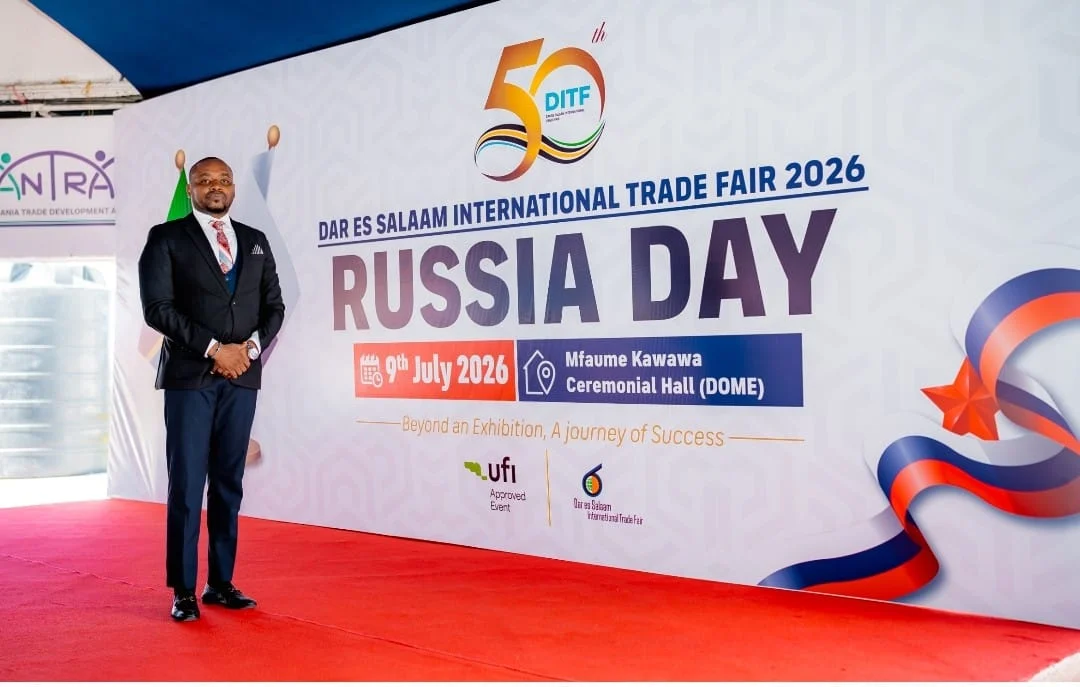
Today, our Managing Partner had a privilege of attending the historic "Russia Day" at the 50th Golden Jubilee of the Dar es Salaam International Trade Fair (DITF), held at the Mfaume Kawawa Ceremonial Hall (DOME) had this to say.
With construction on the US$5.6 billion East African Crude Oil Pipeline (EACOP) driving hard toward its final operational phases, the 1,443 km corridor from Uganda's Lake Albert fields to Tanzania's Port of Tanga is proving that infrastructure is the ultimate destiny of trade nations.
Tanzania’s 2026/27 Budget signals more than fiscal planning—it reflects a deliberate move toward becoming a regional trade and logistics hub connecting East and Central Africa. With sustained investment in ports, the SGR, transport corridors, and industrial infrastructure, Tanzania is positioning itself within the AfCFTA-driven continental trade system, competing for regional cargo flows, manufacturing investment, and maritime connectivity. For investors and businesses, this creates expanding opportunities in maritime services, logistics, customs advisory, trade finance, infrastructure PPPs, and cross-border investment structuring. The direction is increasingly clear: Tanzania is building a trade-driven economy anchored on connectivity, productivity, and regional integration. The real question is no longer whether this transformation is happening—but who is positioning early enough to benefit from it. #ArikLaw #Tanzania #Budget2026 #InternationalTrade #MaritimeLaw #Logistics #AfCFTA #Ports #Shipping #Investment #Customs #EastAfrica #Infrastructure #TradeFinance Tanzania’s US$24 Billion Trade Transformation: Why the 2026/27 Budget Signals the Rise of East Africa’s Next Logistics and Maritime Powerhouse
"A smooth sea never made a skilled sailor—and an easy voyage never tested a contract."
The air at the Julius Nyerere International Convention Centre (JNICC) on May 4th was charged with a rare kind of commercial pragmatism.
By: Senior Advocate & Managing Partner, Adv. Walter Godluck, Arik Law Attorneys